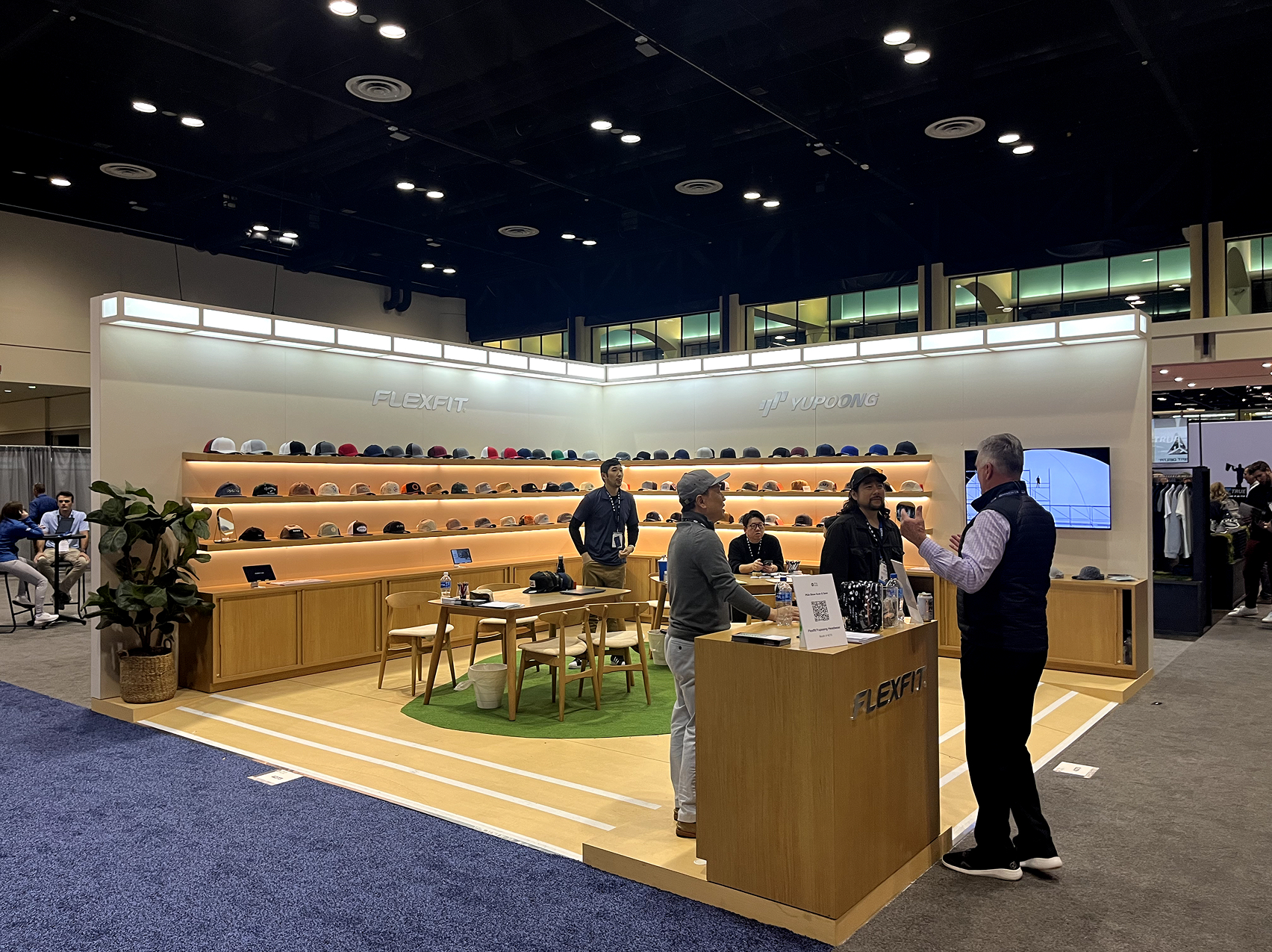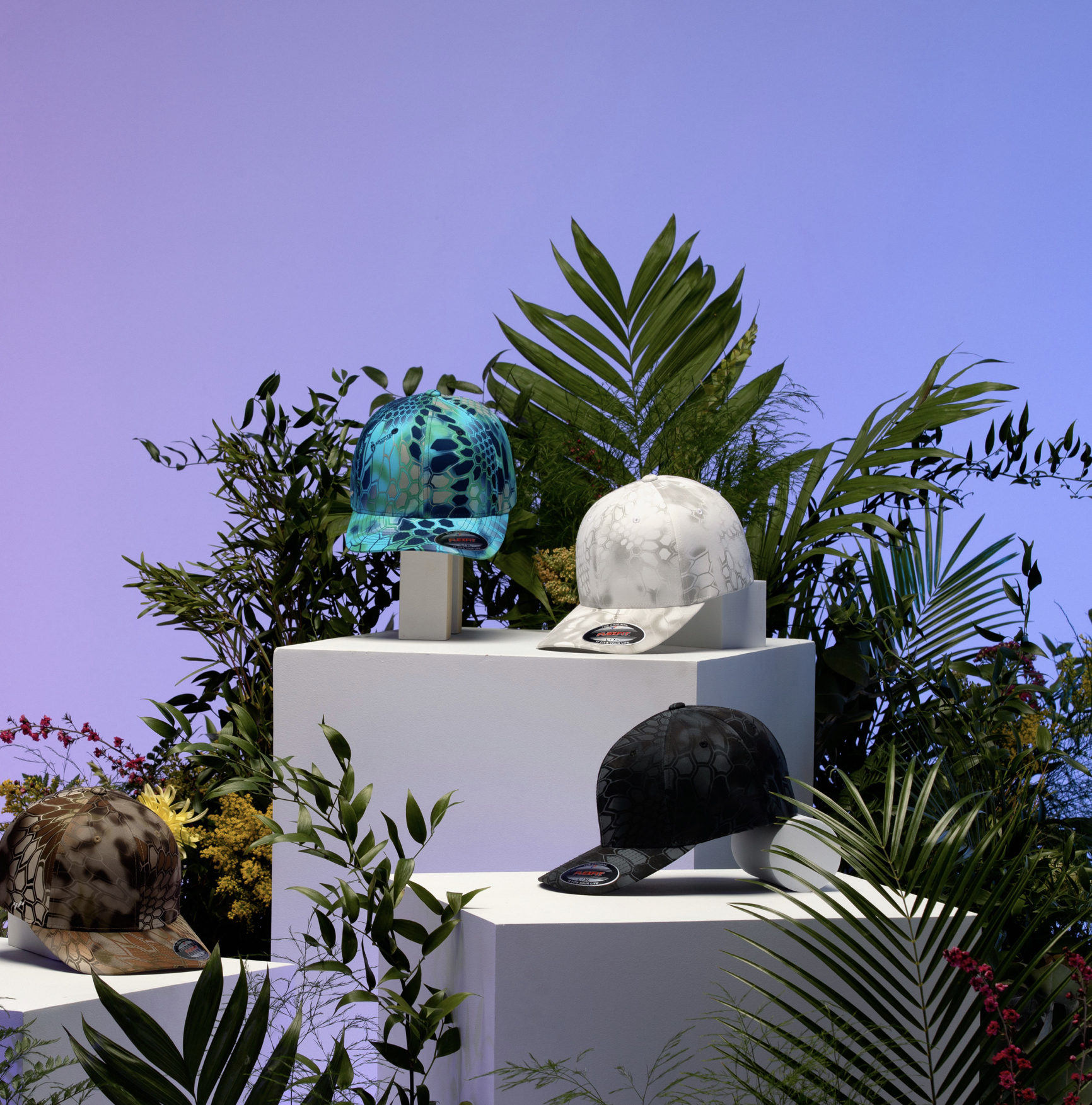
Flexfit is a global B2B headwear brand that sells primarily to embroiderers, apparel brands, and brand partners. Tradeshows, expos, and partner activations were core sales channels used to generate leads, build relationships, and communicate Flexfit’s product advantages in person.
I worked on the design and execution of multiple Flexfit tradeshow booths and activations, from concept development through fabrication and on-site delivery. These were fully built environments designed to support sales conversations by making Flexfit’s product features tangible and easy to understand.
Flexfit’s physical event presence needed to do more than display products. It needed to quickly communicate product value, differentiate the brand from competitors, and turn traffic into qualified business relationships.
As a Designer, I led the concepting and execution of experiential booth and activation designs across six major industry events, creating immersive product demonstrations and branded environments for surf, streetwear, and performance apparel buyers. My role focused on translating technical product advantages into hands-on experiences that made product benefits immediately clear.
Through interactive displays, visual storytelling systems, and co-branded activations, I helped improve buyer engagement, strengthen sales conversations, and generate over 3,200 qualified B2B leads across these events.
This transformed event experiences from passive product displays into strategic sales environments that improved lead quality, reinforced brand positioning, and created repeatable frameworks for future events.
How do you turn a crowded tradeshow floor into a meaningful brand experience that converts interest into real business conversations?
Flexfit needed tradeshow booths that:
%201.png)
A modular, experience-driven booth system grounded in UX principles.
I helped design and deliver a series of Flexfit tradeshow experiences that combined:
Understanding the product, the buyer, and the environment.
Before designing booth concepts, I worked to understand three constraints that shaped every decision:
This groundwork ensured booth concepts weren’t just visually striking, but strategically aligned with who we were selling to and how sales conversations actually happened on the floor.
Designing for different decision-makers on the tradeshow floor.
Rather than creating formal user personas, we identified distinct buyer types that appeared across different tradeshows. Each audience had different priorities, which directly influenced booth layout, messaging, and interactive demos.

Age
38
Occupation
Production Manager
Location
U.S. Based
Runs a high-volume embroidery operation and evaluates products based on efficiency, consistency, and production reliability.

If it doesn’t run clean on my machines, it’s not worth my time.

Age
43
Occupation
Sourcing Lead
Location
Global
Represents a growing brand seeking premium headwear solutions that align with brand identity, quality standards, and scalability.

We’re not just buying a hat, we’re choosing a partner.

Age
29
Occupation
Buyer
Location
US
Curates products that differentiate their store and resonate with a specific lifestyle or customer base.

If I can’t explain why it’s better in a few seconds, it won’t sell.
Understanding the tradeshow landscape.
With a clear understanding of who we were designing for, we explored how Flexfit could stand out in environments where many competitors relied on similar booth layouts and static product displays. We reviewed competitor booths across multiple shows and identified common patterns:
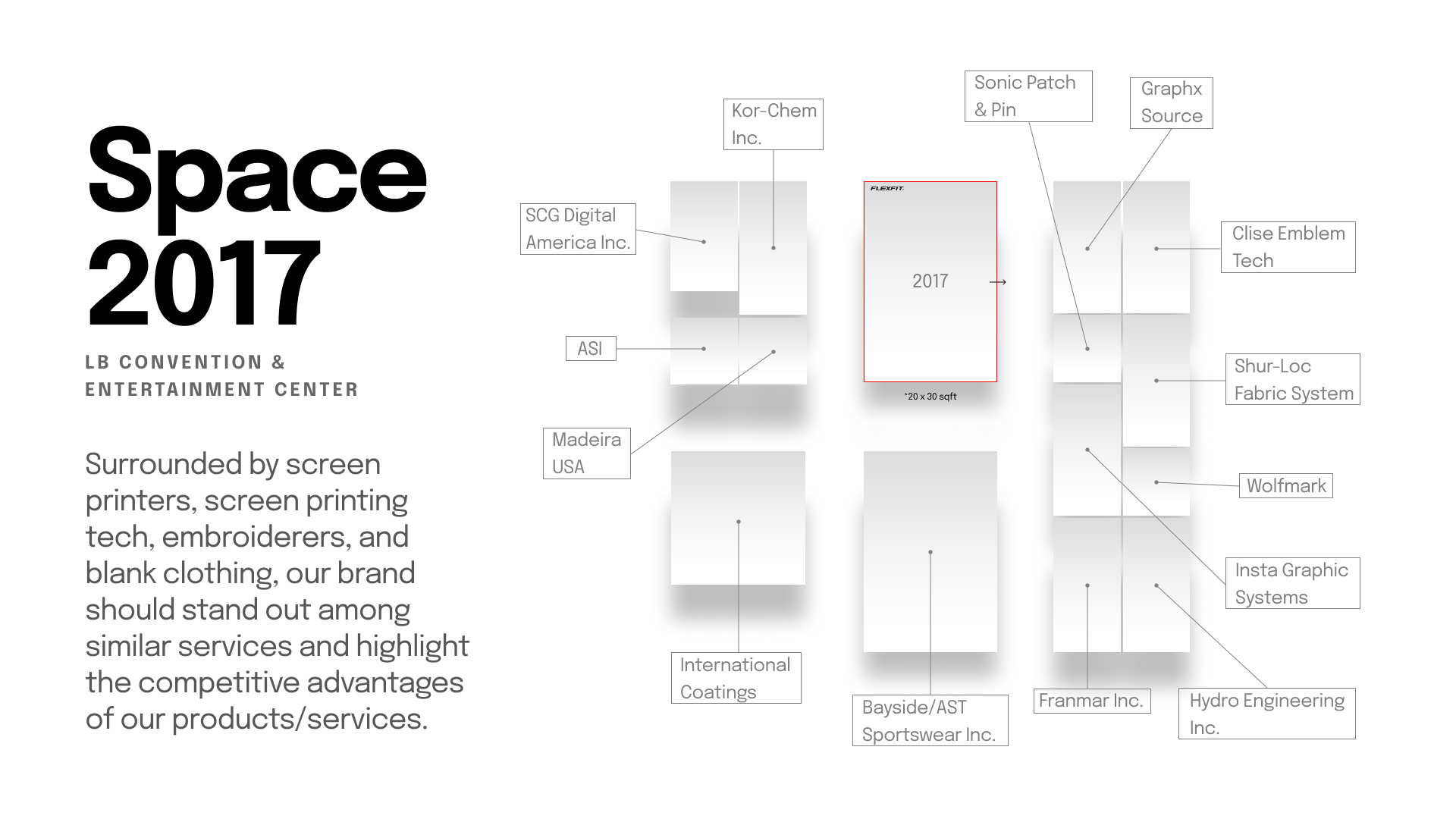
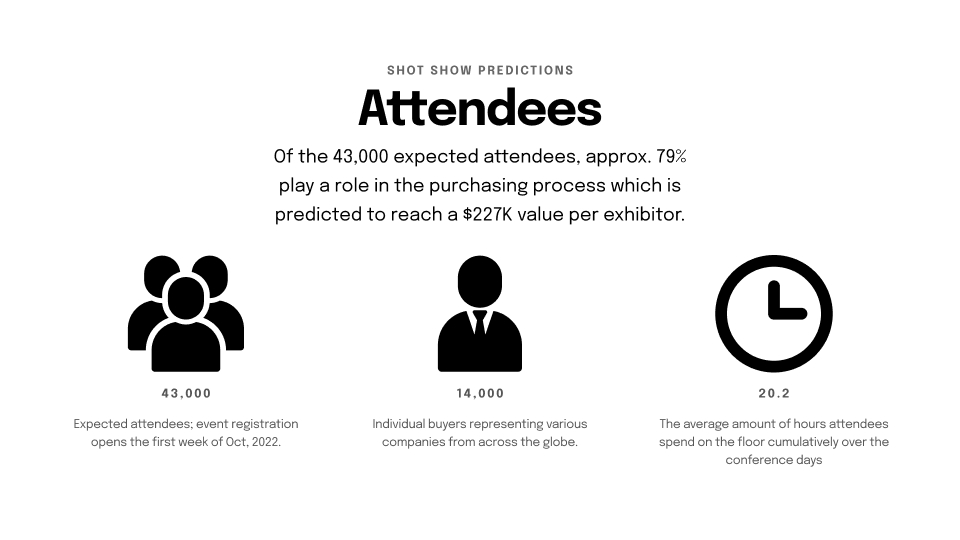
Synthesizing product strengths into differentiated booth experiences.
In response, we explored concepts that moved beyond static displays toward experience-led product storytelling. Early sketches, mood boards, layout studies, and 3D models focused on translating Flexfit’s key USPs into physical interactions. Concepts were evaluated against buyer needs, booth constraints, and feasibility before moving into execution.
_Page_1%201.png)
Translating concepts into tactile demonstrations.
Once core experience concepts were defined, the focus shifted to turning abstract product ideas into buildable, durable, and repeatable physical interactions that could function on a live tradeshow floor. This required close collaboration with fabricators, multiple rounds of iteration, and constant trade-offs between intent, feasibility, cost, and setup constraints.
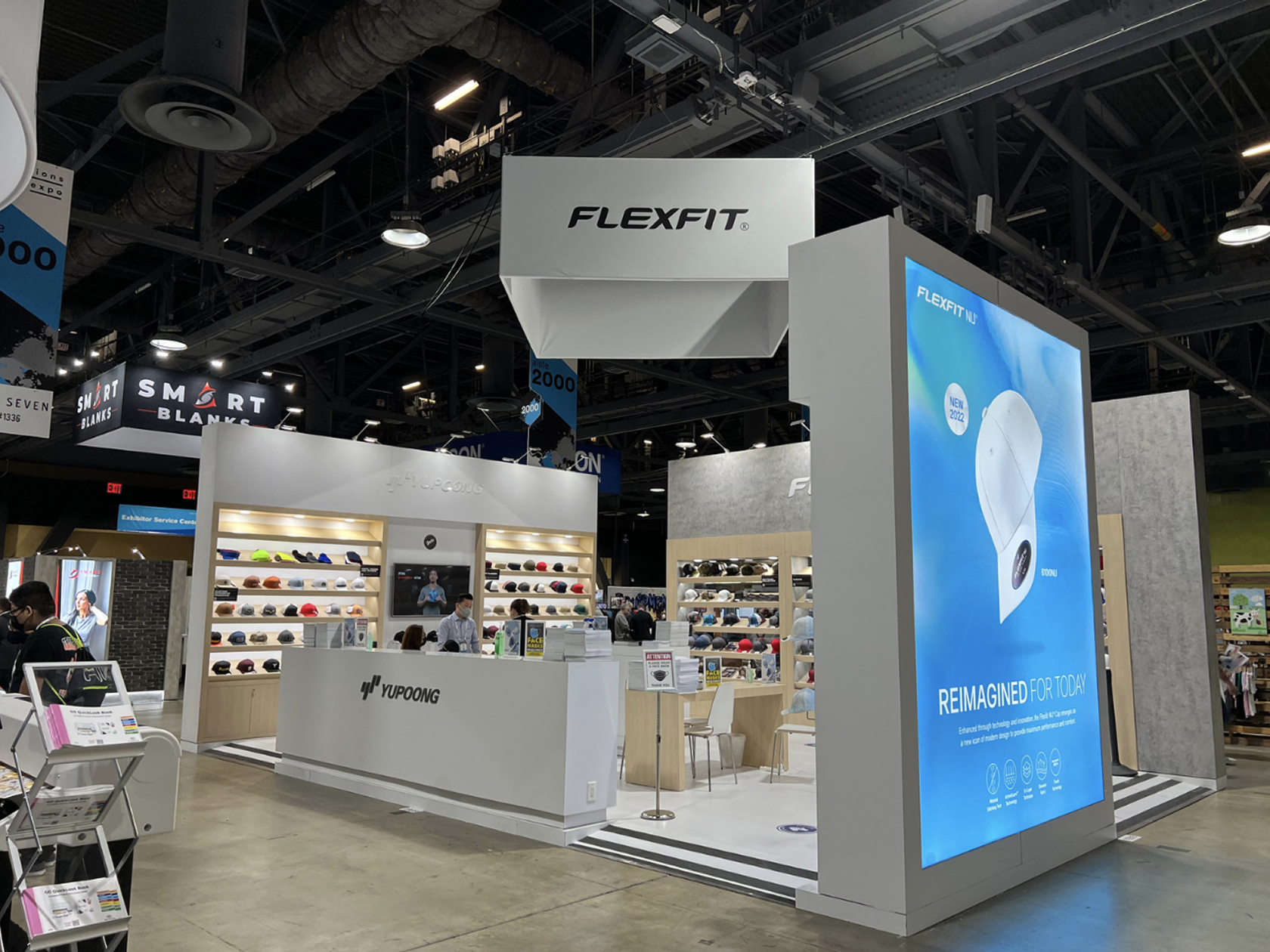
Impressions Expo LB
This booth focused on communicating proprietary Flexfit technology while helping embroidery-focused buyers quickly understand why Flexfit hats perform better during high-speed embroidery and long production runs.
Outdoor Retailer Show
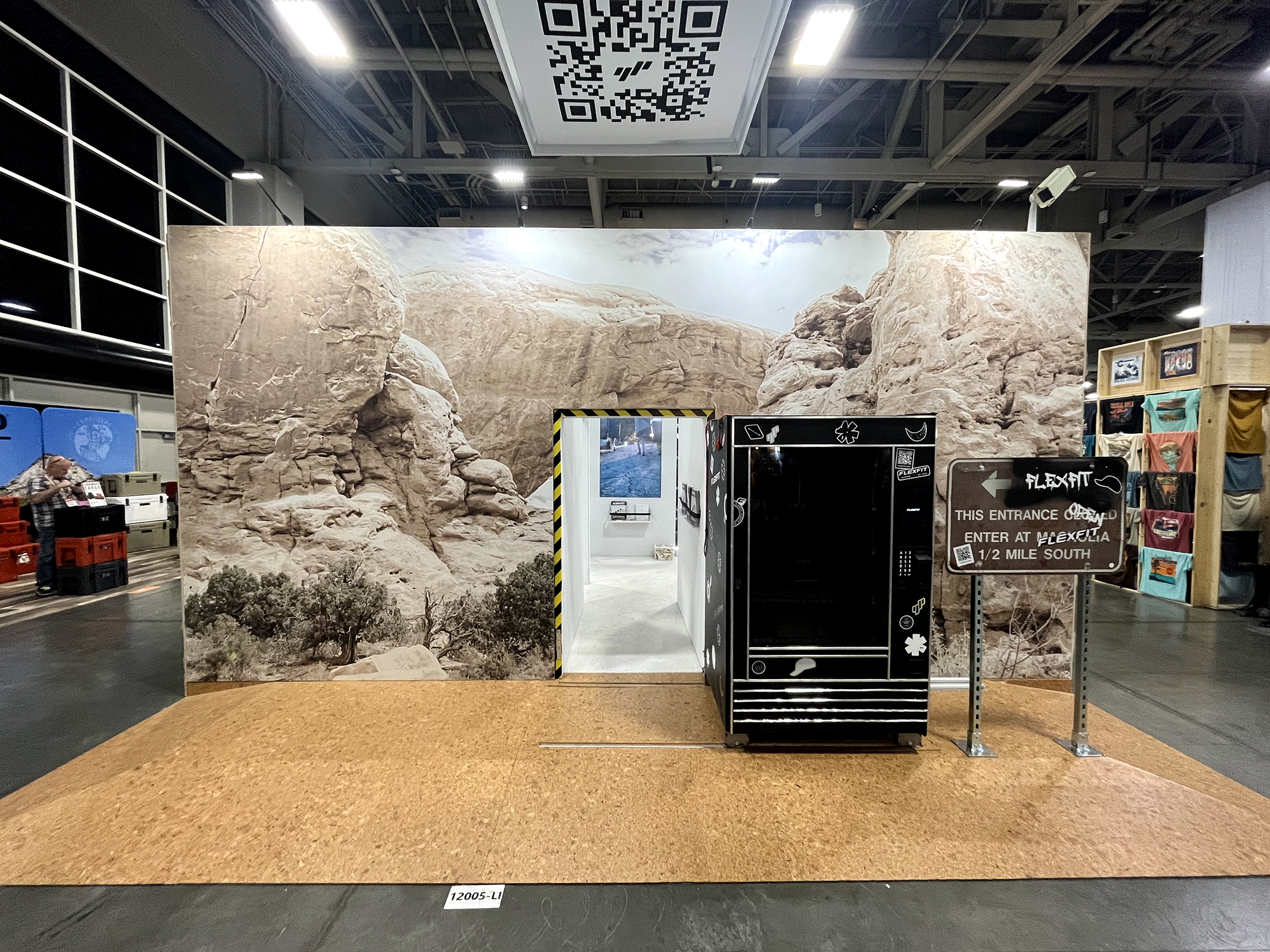
OR Show required a more exploratory, experience-led approach, introducing Flexfit’s core technologies to a broader mix of retailers, brands, and outdoor buyers through hands-on interaction. The booth was designed to let visitors feel product benefits first, then discover how those features translated to performance and comfort.

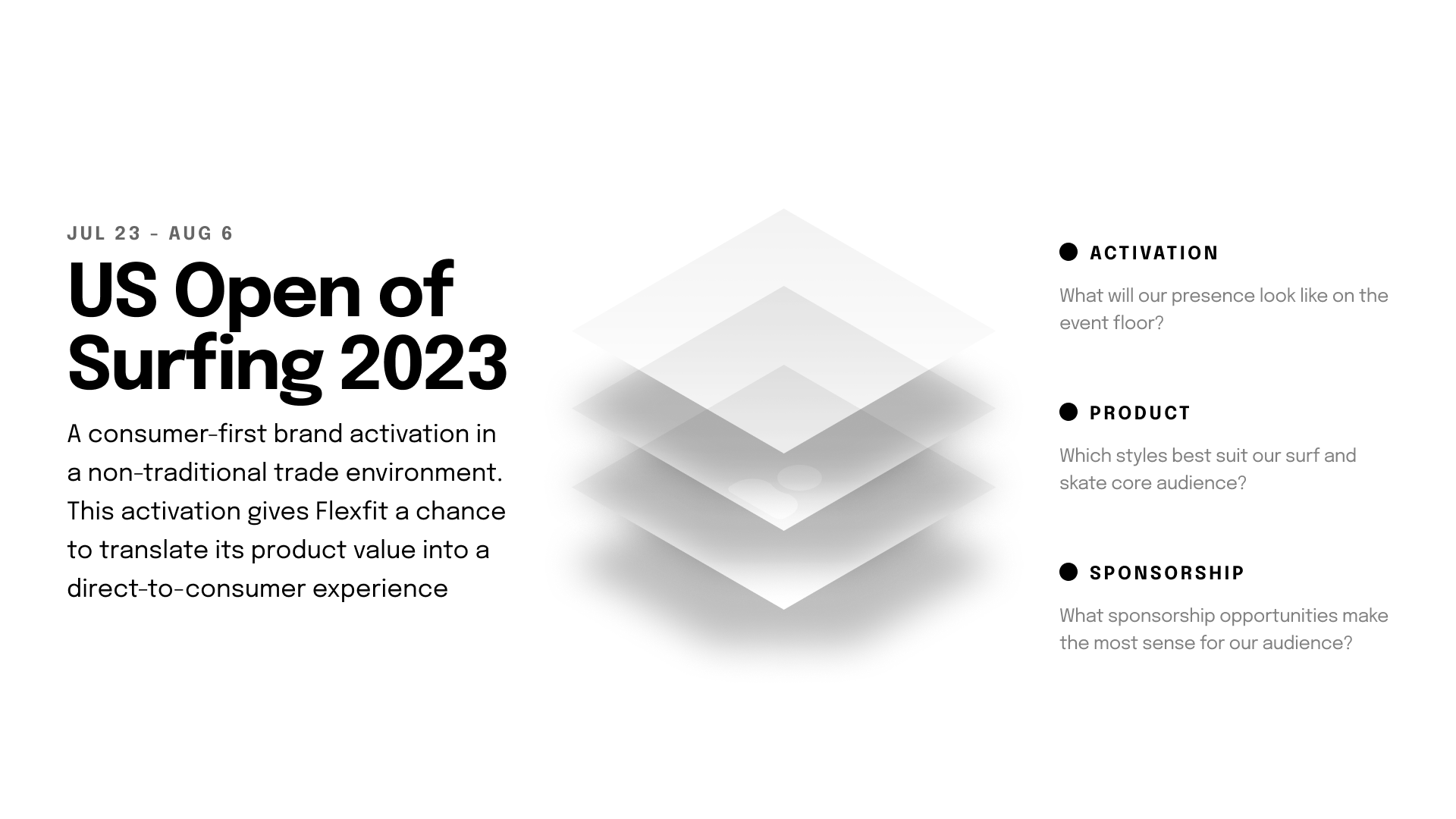
US Open of Surfing
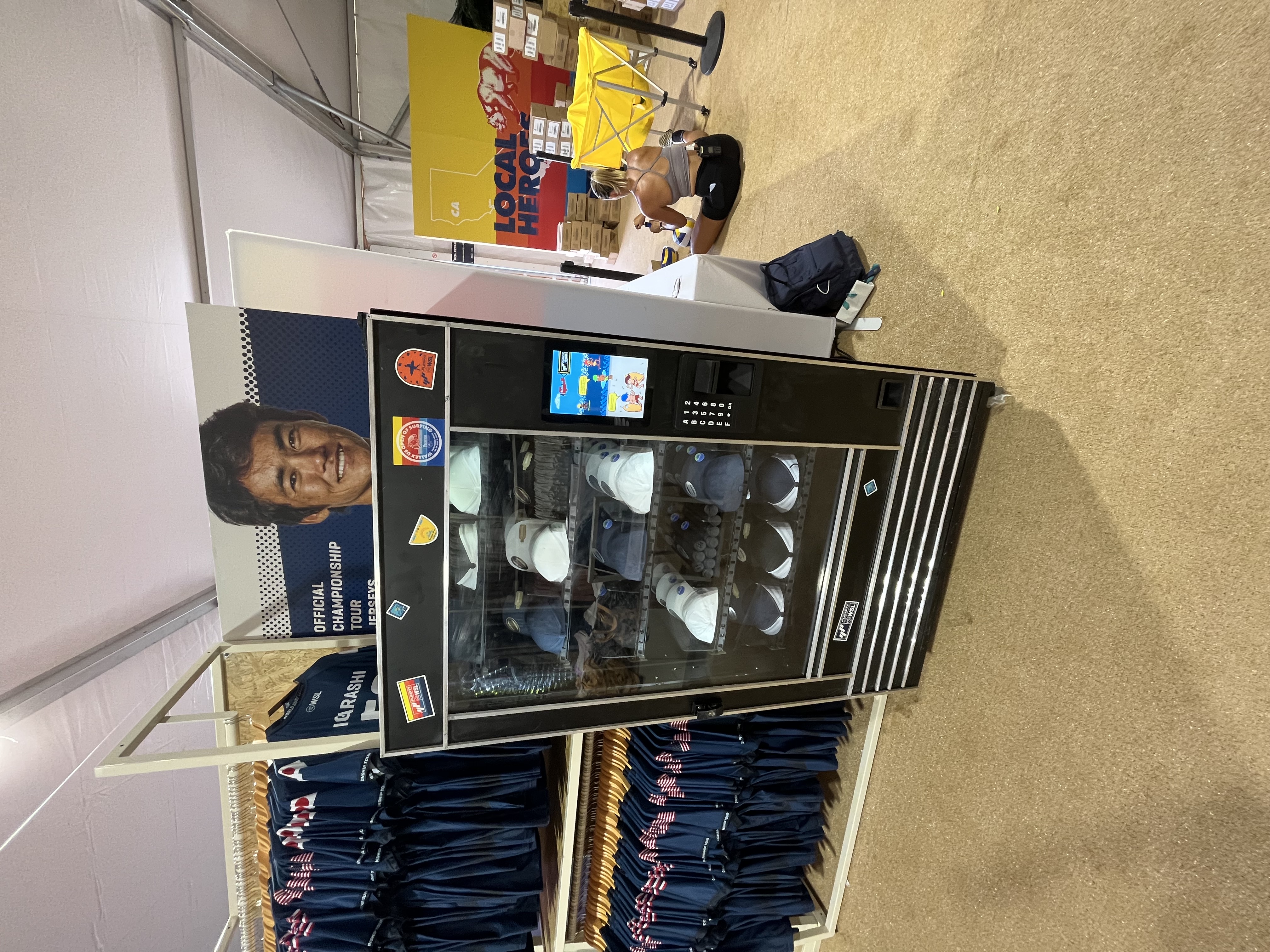
To test how the vending machine experience could translate beyond trade shows, we adapted the OR activation for a consumer-facing environment at the US Open of Surfing in Huntington Beach.
Translating concepts into tactile demonstrations.
The redesigned trade show experiences helped Flexfit more clearly communicate product value, support sales conversations, and generate higher-quality leads across multiple events. Impact metrics are shown for the trade shows where lead capture and post-show reporting were available.
What this expereince taught me about UX.
This experience pushed me to think beyond screens and apply UX principles to physical, real-world environments where attention is scarce and conversations matter.
Designing for trade shows reinforced the importance of meeting users where they are. Understanding buyer intent, time constraints, and context informs how information should be presented. Translating complex product capabilities into tactile, self-explanatory experiences helped me sharpen how I communicate value through interaction rather than explanation.
It also highlighted the role of cross-functional collaboration in successful design. Working closely with sales, fabrication partners, and internal stakeholders taught me how to balance creative ambition with feasibility, logistics, and business goals while still advocating for clarity and usability. Ultimately, this work shaped how I approach UX today: designing systems that support real human conversations, reduce friction, and make complex ideas immediately understandable.